






















Top Warning Signs of Brake Problems Every Driver in Qatar Must Know
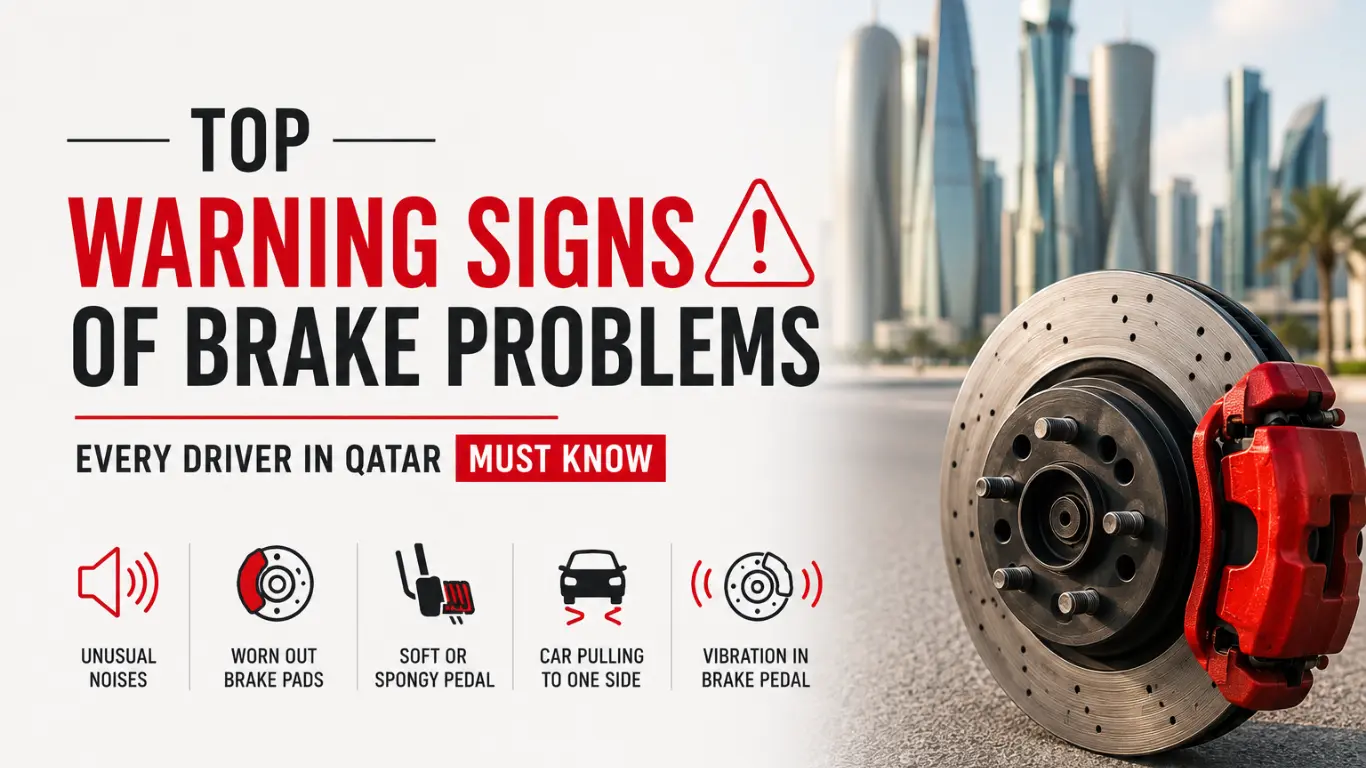
Your car brakes play the crucial role in the safety of your vehicle. Considering the fast-paced road conditions in Qatar, whether driving around Doha or through the country’s extensive stretches of desert expressways, a failing brake system is a matter of life and death.
But there is some good news. Your car is likely to give signs before a total brake failure occurs, and it’s up to you to recognize those signs and take appropriate action.
In this article, we outline all the possible warning signs of brake problems, along with causes and the correct steps you should take.
Why Do Your Brakes Have To Work Extra Hard in Qatar?
With its scorching climate (temperatures can reach 45 °C and higher during summer months), brake systems have to endure tremendous stress in Qatar. Heat accelerates brake pads deterioration, reduces quality of brake fluid, and may even affect the condition of your car’s rotors.
10 Warning Signs Of Brake Problems That Must Not Be Ignored
1. Squealing, Squeaking, Or Screeching While Applying The Brakes
Squealing, squeaking, or screeching noise: These will be heard every time your car applies the brakes.What does it mean? Today’s brakes are equipped with an indicator, which is a metal tab. It starts scraping the rotor when your brake pads get thin. The screeching sound you hear is what the indicator is supposed to do.
Action: Take action without hesitation! Your brake pads should last for at least a few more weeks in this state.
FAQ: My brakes squeal when driving early in the morning – why?
If the brakes squeak early in the morning when you start driving, surface rust may have developed on the rotor during the night. During humid weather, surface rust is common on the rotors. After applying the brakes a few times, the issue will disappear.
2. Grinding or Growling Noise During Brakes Application
What does it sound like: A low-pitched and metallic noise whenever the brakes are applied.
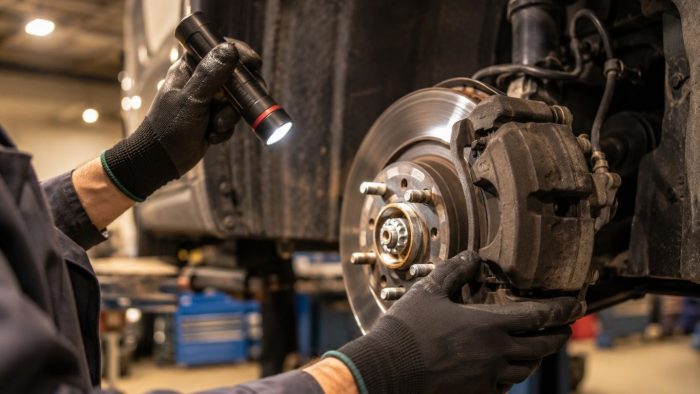
What does it mean: This should be a red flag, indicating that your brake pads have worn out so badly that metal meets metal; in this case, the brake pads backing plate grinds on the surface of the brake rotor.
What to do about it: The driver should avoid any more travel with this condition since this will eventually lead to total braking failure.
3.Soft/Spongy/Slow Pedal Feel
You feel an abnormally soft brake pedal which moves further into the pedal well upon application.This is the most threatening brake problem signal. Some reasons for the soft or spongy pedal include:
- Compressed air inside the brake lines, since air is easily compressed and reduces the hydraulic force
- Leakage of brake fluid, reducing the hydraulic pressure applied by your brakes
- A worn out master brake cylinder which generates the hydraulic pressure
What to do about it: Do not use the car under any circumstances. Immediately tow it to an accredited auto repair shop. A soft brake pedal is an indication of low or erratic braking pressure.
Imalco’s 5-Star Service Centres at Doha provide professional brake fluid tests and hydraulic systems evaluation services. Visit any of our branches throughout Qatar.
4. Car Drifting to One Side While Braking
When you step on your car’s brake pedal while driving, your car starts drifting to either the left or right sides despite not turning your steering wheel.
Possible Causes:
- Wear and tear on the brakes unevenly
- Sticking brakes (one brake works harder than another)
- Collapse of the brake lines
- Uneven tyre pressure
What to do about it: Get your brakes and tyres checked together. Drifting during braking causes loss of steering ability in an instant and is very hazardous at motorway speeds.
5. Pulsation or Vibration in Brake Pedal
The brake pedal vibrates while depressing the brakes. This sensation can even be experienced via the steering wheel.A vibration/pulsation in the brake pedal is a sign of warped brake rotors due to:
- Exposure to extreme temperatures (very common in Qatar in summer)
- Extreme temperature fluctuation after sudden braking (such as passing over water)
- Inconsistent wear for long periods of time
The warping causes unevenness on the surface of the rotor, resulting in vibrations when the brakes are applied.
What to do about it:Inspect the brake rotors and have them checked. Sometimes, warped rotors can be resurfaced, while others will have to be replaced.
FAQ: Is it okay to drive with warped brake rotors?
Although one can drive a car whose brake rotors are warped, it is not advisable because braking becomes inconsistent and less efficient.
6.Burnt Smell When Driving
A distinct, chemical smell, which is akin to burnt rubber or hot plastic, mainly after heavy braking or in stop-and-go traffic.It is an indication of overheated brakes, either due to excessive braking on a downward slope or busy traffic situations. If it happens once in a while, it is usually fine; however, in case of repeated occurrences, it could be a sign of:
- Brake caliper sticking (continuous engagement)
- Overworked brakes that cause brake fade
- Brake fluid overheating (it can result in total brake failure)
What to do about it: Safely pull the car over to the side, wait for 5-10 minutes for the brakes to cool down, and then head to a nearby repair garage. You shouldn’t engage the hand brake when cooling the brake pads.
7.Brake Warning Light Activated
Red/yellow exclamation point (!) inside a circle located in your car’s dashboard, or “BRAKE” light.It is an indication from your car’s onboard diagnostics that there is a problem with your car. The brake light may mean:
- Insufficient amount of brake fluid
- Your car’s sensors have signaled worn out brake pads
- ABS (anti-lock braking system) failure
- Parking brake not disengaged (this is quite a common reason)
What to do about it: Check if the parking brake is fully disengaged and get your car checked immediately if this is not the reason why the light came on. If it’s a modern car with an ABS indicator light, check it out with an automotive diagnostic software.
FAQ:What does the brake warning light mean on my dashboard?
The brake warning light usually indicates problems with insufficient brake fluid, worn out brake pads detected with the help of sensors, and ABS failure.
8. Long Stopping Distance
The vehicle takes more time to stop than it should for the amount of pressure being applied to the pedal.Inefficient braking system, which could be due to any of the following factors.
- Worn out brake pads or shoes
- Glossy rotors (surface lacks roughness, thus creating less friction)
- Oil contamination on the brake pads
- Insufficient or dirty brake fluid
Course of action: This is very dangerous, particularly at higher speeds, because it increases the likelihood of rear-end accidents significantly.
9. Brake Fluid Leakage (Presence of Wet Patches Under the Vehicle)
Small patches or puddles of liquid present underneath your car, especially around the tires or beneath the engine bay. Brake fluid is usually clear to light yellow in color and feels oily. A brake fluid leakage results in the loss of hydraulic pressure, which your brakes require in order to operate properly. A single leak is enough to cause your brakes to fail.
What to do about it:Do not continue driving your vehicle. Have it checked and repaired.
10. Shaky Steering When Pressing the Brakes
You notice a shaking or trembling of the steering wheel whenever you are pressing the brakes; otherwise, everything else is fine.This condition is mostly caused by warped front brake rotors. Since the front brakes control the front wheels, this warpage is transferred to the steering wheel, causing a shaking feeling.
What to do about it: Your front brake rotors and pads must be thoroughly checked and replaced.
When Should Your Brakes Be Inspected in Qatar?
- Brake Pads – Every 10,000 to 15,000 kilometers or once a year.
- Brake Rotors – Every 20,000 to 30,000 kilometers.
- Brake Fluid – Every 2 years or 40,000 kilometers.
- Complete Brakes – Once every 6 months, considering the hot weather in Qatar.
TIP: Make sure you get your brakes checked both before and after the hot summer in Qatar. The hot summer months between June and August will make brake pads deteriorate faster than usual.
The Consequences of Ignoring Brake Warnings
Paying no attention to your braking problems won’t help – it will only exacerbate them and cost you more money:
Failing pads → damaged rotors – Pad replacement (QAR 150-250) turns into rotor replacement (QAR 500-900+)
Leaking brake fluid → brake failure – Hydraulic pressure loss may result in complete brake failure while driving
Caliper stuck → brake overheating – Fire hazard in severe cases
ABS system failure ignored → longer braking distance – Particularly risky in wet or sandy conditions
Don’t take risks with your brakes – they’re the only part of your car that cannot fail without consequences.
The Imalco Advantage: Brake & Auto Care Services in Qatar
We at Imalco Web Store have been delivering superior automotive products and 5-Star services to drivers in Qatar for more than ten years now. We can handle your brake problems with the help of our expert technicians within a jiffy.
Here are our auto care services list that covers:
✔ Brake Pad & Rotor Inspection
✔ Brake Fluid Inspection & Change
✔ Complete Brake System Testing
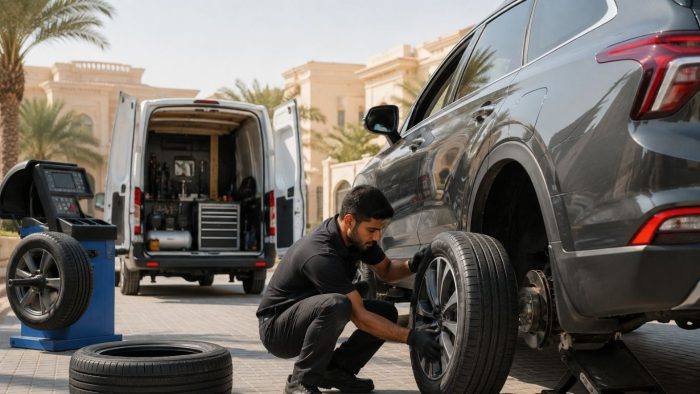
✔ Wheel Alignment & Balancing (associated with brakes)
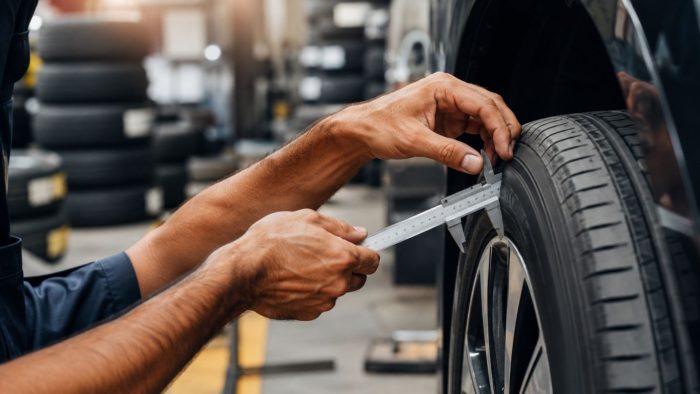
✔ Tyre Inspection & Rotation
Feel free to drop by any of our branches in Doha, Qatar
Contact Us:+974 4441 8030
Visit Us Online: staging23.imalcowebstore.com/
Frequently Asked Questions Regarding Brake Troubles
Some common symptoms include squeals and screeches while braking, the illuminated brake warning light, extended braking distance, or pedal vibrations. Usually, most brake pads need replacement after 10,000 – 20,000 kilometres of usage.
Squeaking in the morning due to surface rust is perfectly fine. Consistent squealing all day long is an indication that your pads are worn and need to be replaced very soon.
Usually, a basic brake check will cost you next to nothing. Feel free to ask more about our brake check services from the Imalco Service Department.
Vibrations or judder felt while braking in high speed mode are caused by warped rotors. That’s why this problem is very common here in Qatar because of excessive heat levels.
Definitely! Brake fluid is the fluid that turns your leg pressure into braking power. Old or compromised brake fluid will soak up water, resulting in a low boiling point. This leads to brake fade or failure, particularly during the hot summer months in Qatar.
Brake fade occurs due to overheating of the brakes. Brake fade is typically experienced after excessive use of the brakes, such as while driving on the highway or descending from a high altitude.
Final Thoughts: Don’t Wait for a Problem to Become a Crisis
The warning signals that have been discussed in the course of this guide, including screeching sounds, a spongy feel to your pedal, the illumination of your brake lights, or even having difficulty when trying to stop, are all signs of trouble that need immediate attention.
Given the challenging conditions in the country and considering your safety on the roads, as well as that of everyone else, brake maintenance is a necessity.
Should you experience any of these symptoms, take a moment and arrange a brake check-up through the nearest Imalco location in Doha, or view our entire range of automobile maintenance products available on our web store at staging23.imalcowebstore.com/.
Drive safe. Brake better.